


How Diabetes Education Helps
If you’ve been diagnosed with diabetes or prediabetes, learning how to care for yourself is key to maintaining your health and wellbeing. Cascade Health’s Diabetes Education program has been giving people with diabetes the tools they need to succeed for many years.
We teach you how to manage your blood sugar levels, use your medications and develop healthy lifestyle habits. This reduces your chances of developing serious complications — and helps you feel better.
About Diabetes
Diabetes causes blood glucose (blood sugar) levels to rise higher than normal. Insulin, a hormone made in the body, helps move the glucose from the blood into your cells. When glucose enters your cells, it is either used right away as energy or stored for later use. If you have diabetes, your body doesn’t make enough insulin, can’t use the insulin it makes, or both.
Over time, diabetes can lead to even more serious health problems such as heart and kidney disease, vision changes and circulation problems.
There is no cure for diabetes, but you can effectively manage it to help prevent additional health problems.
About 14.7% of the U.S. population aged 18 years and older has diabetes.
An additional 38% of the adult population has prediabetes, in which your blood sugar is higher than normal, but not high enough to be considered diabetes.
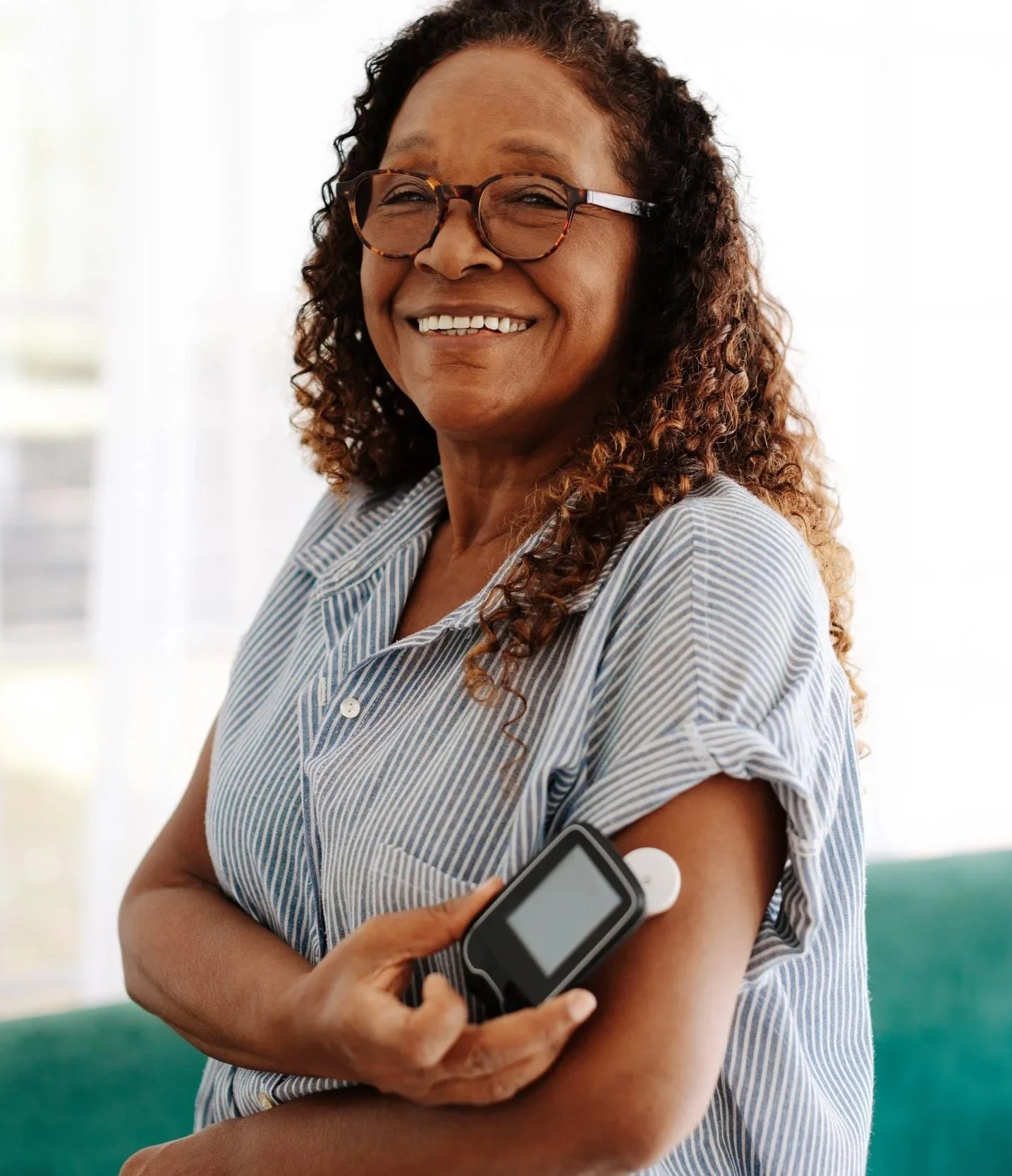
Facts About Diabetes Education
✅ Diabetes education can teach you important skills and strategies to feel your best and live well with diabetes.
✅ Diabetes education is also known as “diabetes self-management education and support” (DSMES) or diabetes self-management training (DSMT) by Medicare.
✅ Cascade Health Diabetes and Nutrition Education is an accredited DSMES provider by the American Diabetes Association.
✅ Medicare, Medicaid/Oregon Health Plan and most commercial insurance cover DSMES through programs accredited by the American Diabetes Association.
✅ People newly diagnosed with diabetes are eligible for 10 hours of diabetes education, as well as 2 “refresher” hours each year after.
✅ DSMES has proven health benefits, such as improving blood sugar levels and helping to prevent potentially serious complications.
Support for People with Diabetes
The Cascade Health team has extensive experience collaboratively creating realistic self-management plans for people with Type I, II and gestational diabetes. Our team of registered nurses, dietitians and certified diabetes care and education specialists will tailor a plan to your unique needs, goals and lifestyle that addresses 7 key areas of self-care.
1.
Nutrition and healthy eating habits.
2.
Being active and setting goals and limits for physical movement.
3.
Using your medications correctly.
4.
Monitoring your blood sugar, activity and eating habits.
5.
Reducing risk factors associated with complications.
6.
Coping positively with stress and change.
7.
Problem solving strategies to effectively deal with challenges and changes over time.
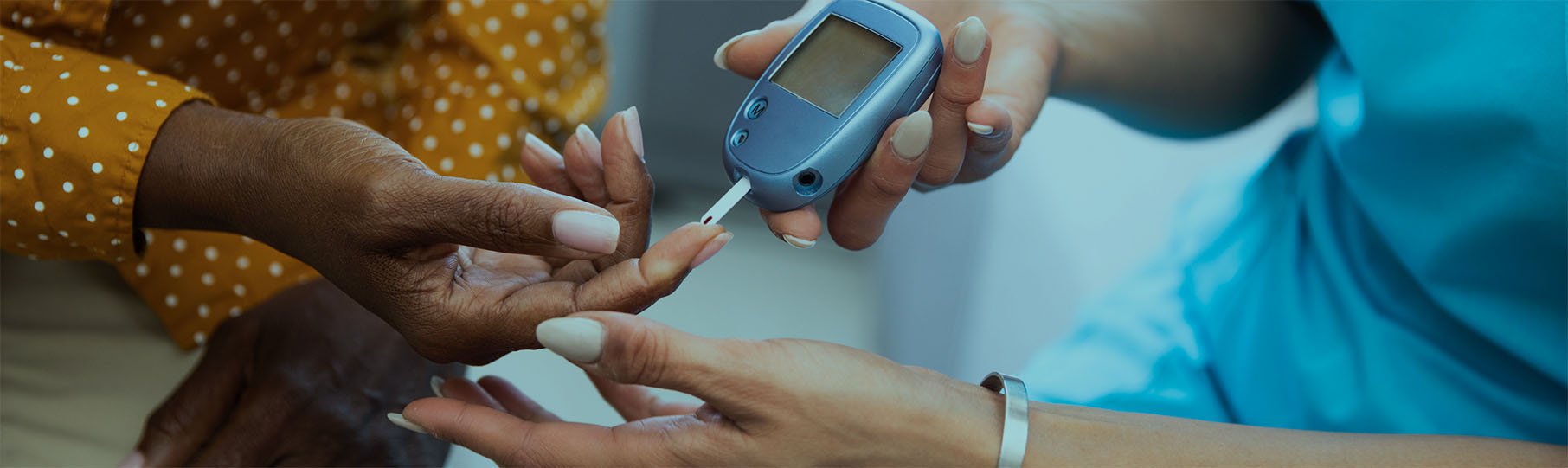
When to Get Diabetes Nutrition Help
There are 4 times when it’s especially important to have access to diabetes education and support.
1.
When you are first diagnosed with diabetes.
2.
Once a year, such as at your annual physical, or if you’re having trouble reaching treatment goals.
3.
Any time you develop new complications.
4.
If changes in your life or care are making self-management difficult.
Medicare, Medicaid/Oregon Health Plan and most commercial insurance providers cover diabetes education in these circumstances.
Insurance coverage for services depends on your policy. Contact your insurance company and ask about your benefit for Diabetes Education (billing codes G0108 and G0109) and/or Medical Nutrition Therapy (billing codes 97802 and 97803). Be sure to ask how many covered visits you have, and how it applies to your deductible or if there is a copay/coinsurance fee.
We can help you verify benefits if you are not sure.
How to Begin
To enroll in a diabetes self-management education and support program, most insurance companies require a referral from your doctor. There are three ways to be referred:
Your doctor may automatically recommend you enroll in a DSMES program when you are diagnosed. If so, ask to be referred to Cascade Health by name.
You may request a referral.
You may request our help checking your insurance benefits or securing a referral by contacting us at (541) 228-3020 or emailing dne.info@cascadehealth.org.
-
Cascade Health cares for people in Lane County, Oregon, including Eugene, Springfield, Cottage Grove, Junction City, Creswell, Monroe, Veneta, Noti, Blue River, McKenzie Highway, Harrisburg, Sweet Home, Oakridge, Coburg and Lowell.
-
Most insurance companies require a referral from your physician. We can help you determine your benefit requirements and seek a referral if needed.
-
Yes. However, some insurance companies have specific guidelines regarding telehealth. Please contact us and we can help you find out whether your insurance carrier will cover virtual appointments.
FAQs